The Ndili Academies represent a bold departure from conventional technical and vocational education. We do not simply train students to “get jobs.” We cultivate world-class technical professionals, creative producers, visionary founders, and industry leaders who will drive the future of African enterprise.
Through a rigorous blend of master-level craftsmanship, robust business education, and a deep grounding in civic responsibility, we empower the next generation to shape global movements from an authentically African perspective.
1. Hands-On Practical Mastery (50%)
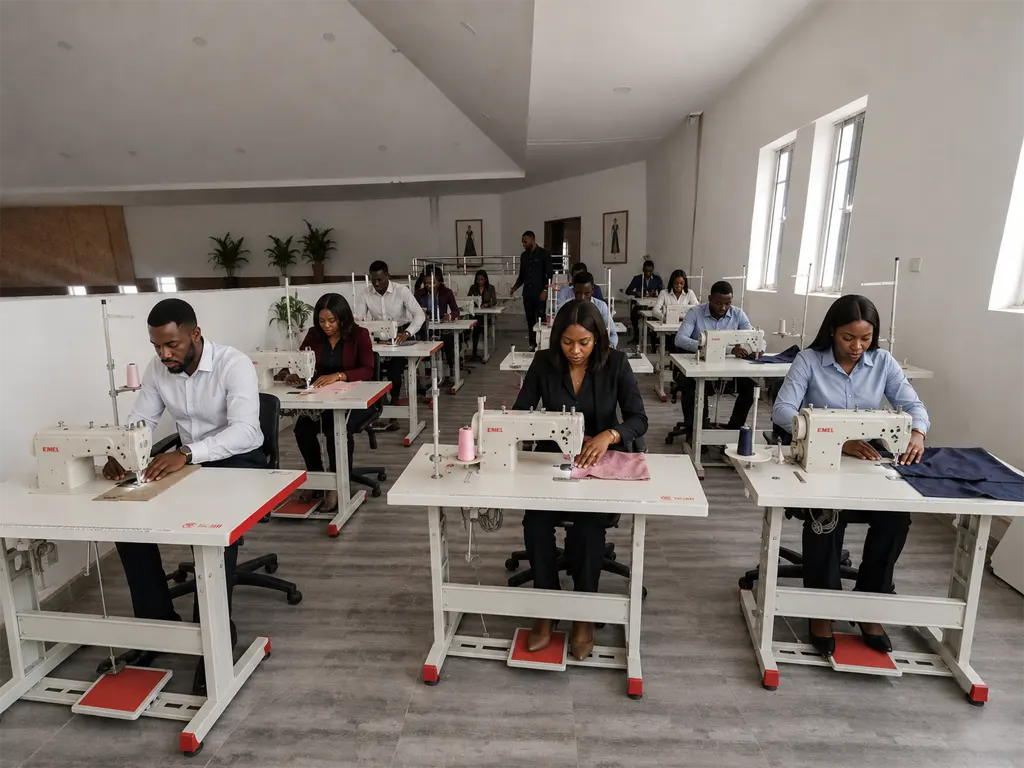
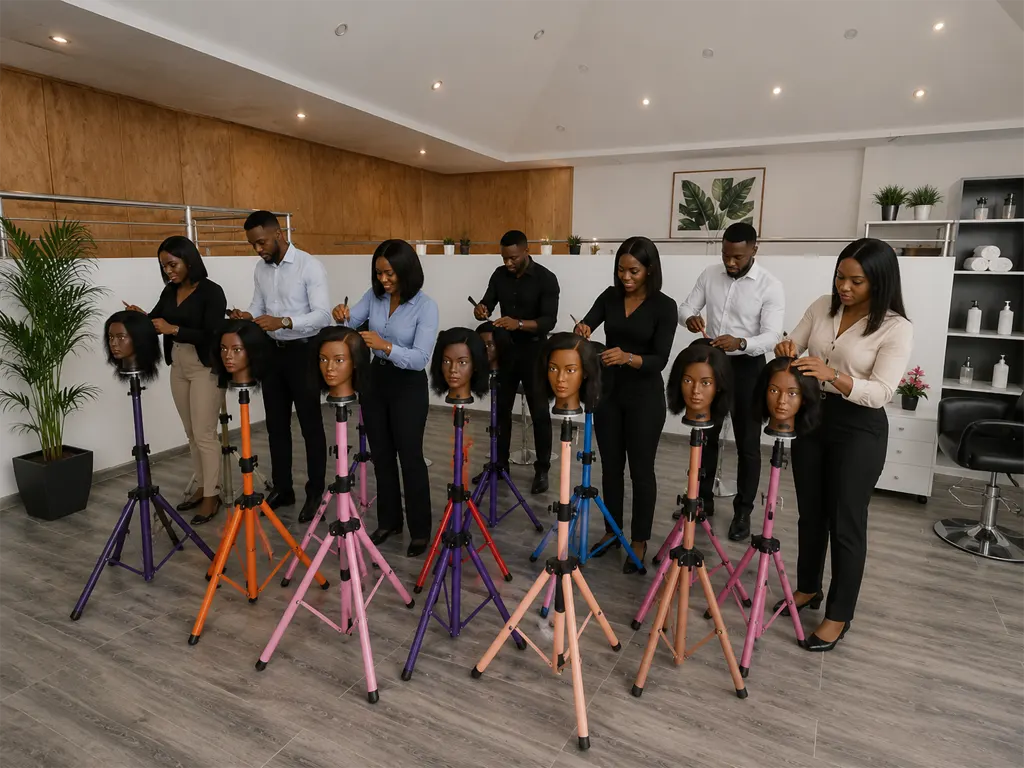
Half of our students’ time is spent entirely outside the traditional classroom, embedded in high-intensity, live-enterprise environments. From commercial kitchens and design labs to film sets, recording studios, and customer-service simulations, our students learn by doing, creating, and failing forward. This immersive experience is anchored by a mandatory six-month sandwich internship designed to test their skills in the real world.
2. Business & Leadership Excellence (25%)
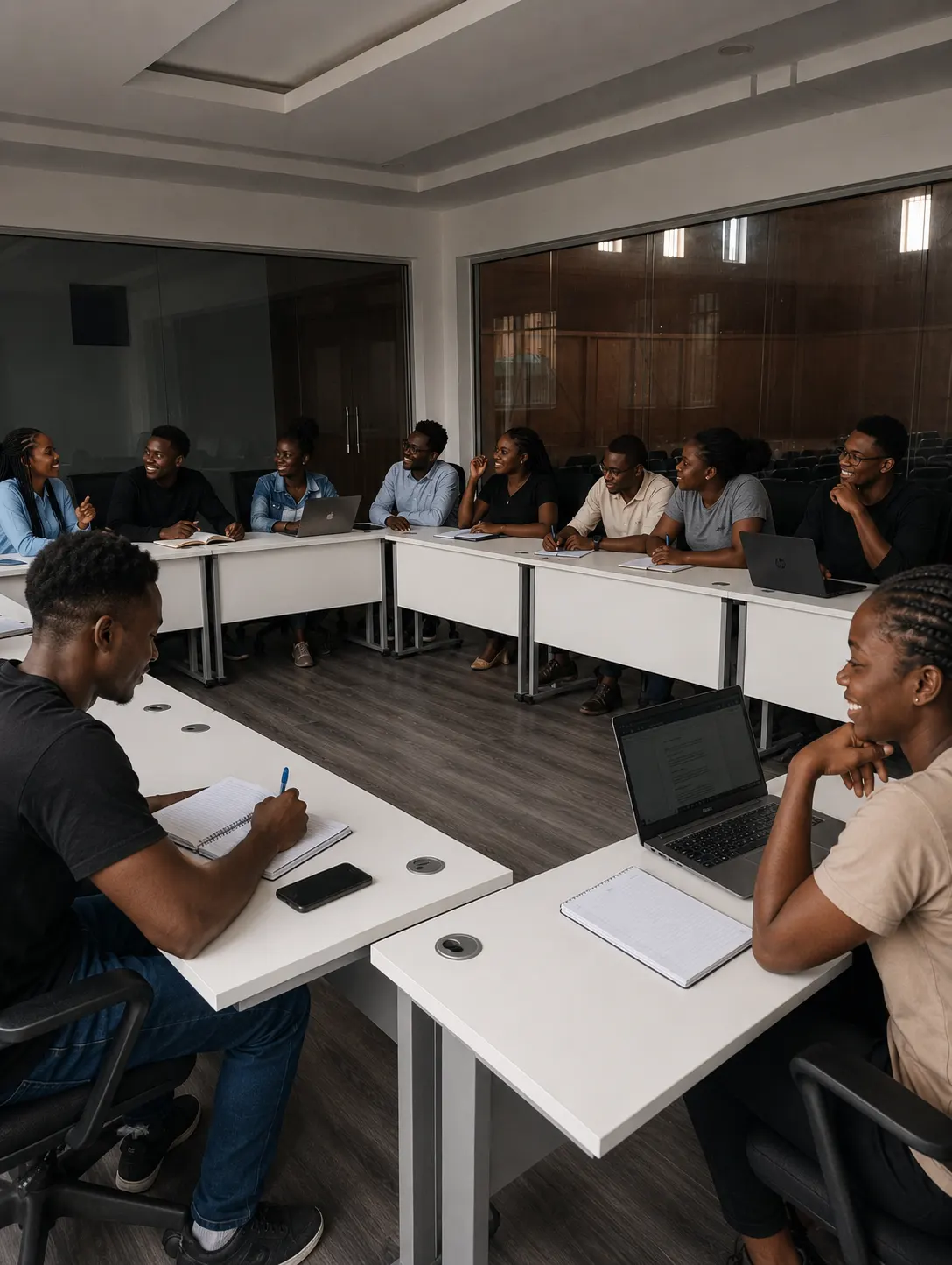
A world-class skill is only as powerful as the business engine behind it. We equip our students with the rigorous corporate vocabulary and operational tools required to scale industries.
3. Entrepreneurship & Innovation (15%)
We treat startups as a science. Our students don’t just dream about businesses; they build them from the ground up, learning how to navigate the complex landscape of modern commerce.
We believe that leadership without context is hollow. The final piece of the Ndili education grounds our students in their heritage, challenging them to understand their role in shaping the continent’s future.
The African Identity
Unique to our curriculum is a deep dive into what it means to be African in the 21st century. Through community development projects and the study of Pan-Africanism, we prepare our students to build the future they want to see on the continent.
A New Model for Learning
We have deliberately positioned our academies above conventional TVET (Technical and Vocational Education and Training). Our two-year diploma tracks include a six-month “sandwiched” internship and a curriculum split designed for real-world mastery
Building a Legacy of Excellence
The Founder’s Vision
The Ndili Academy was born from a conviction that Africa requires a different kind of institution. Our CEO and Co-founder, Kenni Ndili, returned to Nigeria with a global academic pedigree – including degrees from the University of Edinburgh, London School of Economics, The Wharton School, and the Lauder Institute.
Her exposure to global business education and emerging market strategy shaped the Academy’s ambitious thesis: To move beyond “training for jobs” and instead cultivate industry leaders who can build the infrastructure of a modern Africa.